
Finding the right partner for a major renovation takes more than comparing three bids and picking the middle number. You need someone who knows how to choose a home remodeling contractor in the specific context of Arizona's desert environment and building codes. National advice columns tend to skip the challenges West Valley homeowners actually face, from expansive clay soils to the logistics of building through monsoon season.
This guide gives you an Arizona-specific vetting framework instead of generic tips you could find on any home improvement blog. We focus on the practical steps that separate reliable local experts from out-of-state crews who don't know Phoenix metro building standards. Your goal is a team that treats your home's structural integrity and your family's schedule with equal respect.
Why Arizona Homeowners Need a Local Vetting Process
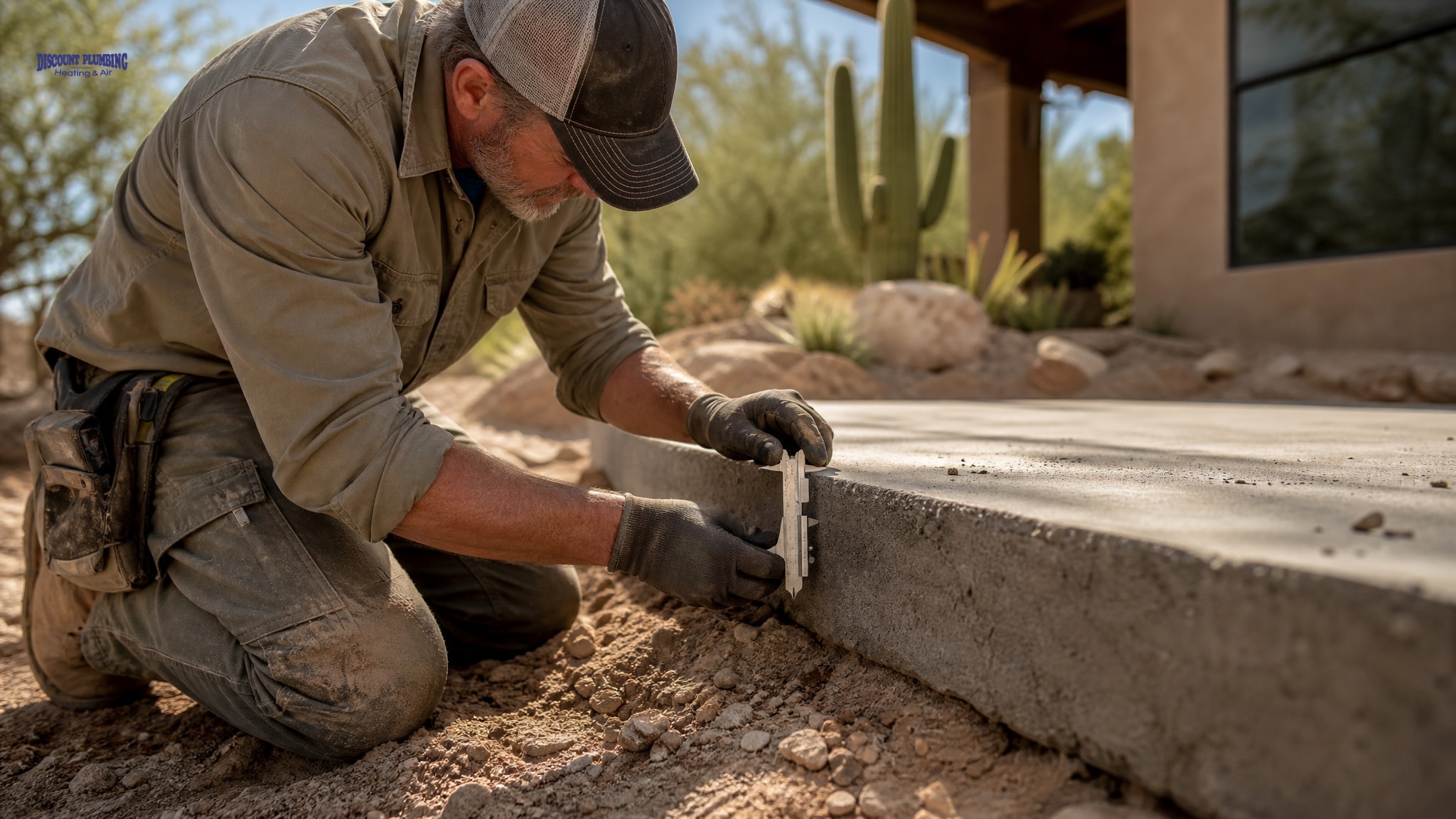
Generic contractor checklists fail here because they assume weather and soil conditions that don't exist in the Sonoran Desert. Arizona's clay soils expand, summer heat is intense, and remodeling contractors need to understand foundation movement and material expansion rates that differ from national norms. A crew used to Midwest basements or Florida coastal builds can easily miss the details that matter for the slab-on-grade foundations common in Avondale and Goodyear.
Local know-how also affects how long your kitchen and bathroom finishes actually last. West Valley homes in Avondale and Goodyear often need specialized waterproofing and drainage during bathroom remodels, because hard water mineral buildup and seasonal humidity shifts cause real problems here. Skip that step and you'll see grout failure, fixture corrosion, and moisture issues surface months after the final walkthrough.
Scheduling takes regional awareness too, and national firms rarely have it. Reliable Arizona contractors build monsoon-season buffers into project schedules instead of promising completion dates that ignore July and August storm cycles. Dust storms and sudden downpours can halt exterior work or delay material deliveries. Your contract should plan for that, not pretend the desert has mild summers.
You deserve a timeline based on actual local conditions, not optimistic guesses.
Understanding kitchen remodel expectations in West Valley homes helps you judge whether a contractor's proposed schedule fits regional constraints. It also saves you frustration when summer heat slows curing times for concrete or paint.
Verifying Licensing and Insurance for Arizona Remodelers
Arizona law requires residential contractors to hold a valid ROC license for any job over $1,000 in labor and materials. Verify this directly through the Arizona Registrar of Contractors website before you sign anything or let anyone onto your property. Checking the license number confirms active status, bond coverage, and any complaints or disciplinary history that should give you pause.
Insurance verification takes more than just asking if coverage exists. Request certificates of insurance naming you as additionally insured for both general liability and workers' compensation, then call the carrier to confirm the policies are current. A lapse in coverage leaves you on the hook if a worker gets hurt on your property or something gets damaged during demolition.
Unlicensed work creates risks that go well beyond code violations. Unpermitted additions or unlicensed electrical work can complicate a future home sale, void insurance claims, and create safety hazards that cost thousands to fix later. A reliable remodeling company hands over documentation without hesitation or defensiveness.
This step protects your investment and your legal standing.
When you review credentials, check the specific classification listed on the ROC license. A handyman license doesn't authorize major structural changes, plumbing reroutes, or electrical panel upgrades, and full kitchen and bathroom renovations usually require all three. Match the license class to your project scope, and you know the person doing the work is legally permitted to do it.
Questions to Ask a Remodeling Contractor During Interviews
Interviews reveal operational maturity that a license alone can't show you. Ask specifically about crew consistency: will the same foreman oversee your project from demolition through the final punch list? High turnover or rotating subcontractors often signal management problems, and those show up later as communication gaps and inconsistent quality in your home.
Communication protocols matter as much as technical skill when you're living through a renovation. Nail down expectations for daily updates, preferred contact methods, and response times for urgent decisions before work starts. You should know exactly who to call when a tile selection needs approval or something unexpected turns up behind a wall.
Change order management separates professional operations from chaotic ones. Ask for written procedures on how extra costs get documented, approved, and folded into the original contract price. Verbal agreements about additional work are how disputes start and budgets balloon.
Your interview should turn up genuine familiarity with West Valley construction practices. Ask about experience with post-tension slabs, desert-adapted material choices, and bathroom remodeling expertise in Glendale or neighboring cities. Generic answers suggest limited local exposure. Specific examples show hands-on knowledge of regional building methods.
Ask about their process for identifying hidden water damage before renovating, since older West Valley homes sometimes hide leaks behind walls or under flooring. Catching these early prevents costly change orders and makes sure your new finishes sit on sound substrates.
Using Your Home Renovation Contractor Checklist for Final Selection
Compile your findings into a structured comparison that weighs verified facts over impressions. Create columns for licensing status, insurance confirmation, reference checks, communication quality, and schedule realism, rather than focusing on bottom-line price alone. The lowest bid often means missing scope items, inferior materials, or uninsured risk you'll pay for eventually anyway.
Reference verification means conversations, not just reading online reviews. Call at least two past clients whose projects match yours in scope and ask about cleanliness, schedule adherence, and how problems got resolved. Online testimonials tell you sentiment, but they miss the day-to-day professionalism that matters inside someone's home.
Prioritize contractors who know your specific neighborhood and home type. Choosing a local remodeler means picking someone who already knows Avondale permitting timelines, Goodyear HOA requirements, and Litchfield Park architectural guidelines, instead of learning them on your dime. That institutional knowledge speeds up approvals and avoids costly compliance mistakes.
Red flags warrant immediate disqualification regardless of price or personality. Pressure tactics, refusal to put the contract in writing, cash-only payment demands, or vague answers about licensing all point to the same thing: this contractor isn't reliable. Walking away from a bad fit saves far more money than trying to salvage a troubled relationship ever would.
Once you've found a candidate who checks every box and communicates clearly, take the next step with confidence. You can schedule a free remodeling consultation to discuss your project, timeline, budget, and expectations with a verified local expert.
Frequently Asked Questions
What red flags should I watch for when hiring a remodeling contractor?
Major warning signs include refusing to provide a written contract, demanding large cash deposits upfront, lacking verifiable ROC licensing, or pressuring you to sign immediately. Contractors who avoid giving references, use high-pressure sales tactics, or cannot explain their change order process likely lack professional operational standards. Trust your instincts if communication feels evasive or defensive during initial conversations.
How do I find a good home remodeling contractor in the West Valley?
Start by verifying active ROC licensing and insurance through official state databases rather than relying solely on advertising or social media presence. Ask neighbors in Avondale, Goodyear, or Glendale for referrals based on completed projects similar to yours, then conduct thorough interviews focusing on crew consistency and local experience. Cross-reference online reviews with direct phone calls to past clients to confirm reliability and workmanship quality.
Is $100,000 enough to renovate a house in Arizona?
A $100,000 budget can cover substantial kitchen and bathroom updates in many West Valley homes, but whole-house renovations often exceed this amount depending on square footage and finish selections. Material costs, permit fees, and potential structural repairs discovered during demolition all impact final pricing significantly. Obtain detailed estimates from licensed contractors to understand what your specific budget accomplishes rather than relying on national averages that ignore regional labor and material variations.
How does monsoon season affect renovation scheduling?
July and August bring dust storms and intense afternoon thunderstorms that can halt exterior work, delay material deliveries, and extend drying times for concrete and paint. Experienced Arizona contractors build contingency days into summer schedules and sequence indoor tasks during peak storm hours to maintain progress. Contracts signed for mid-summer completion should explicitly address weather-related delays to prevent disputes when storms inevitably occur.