
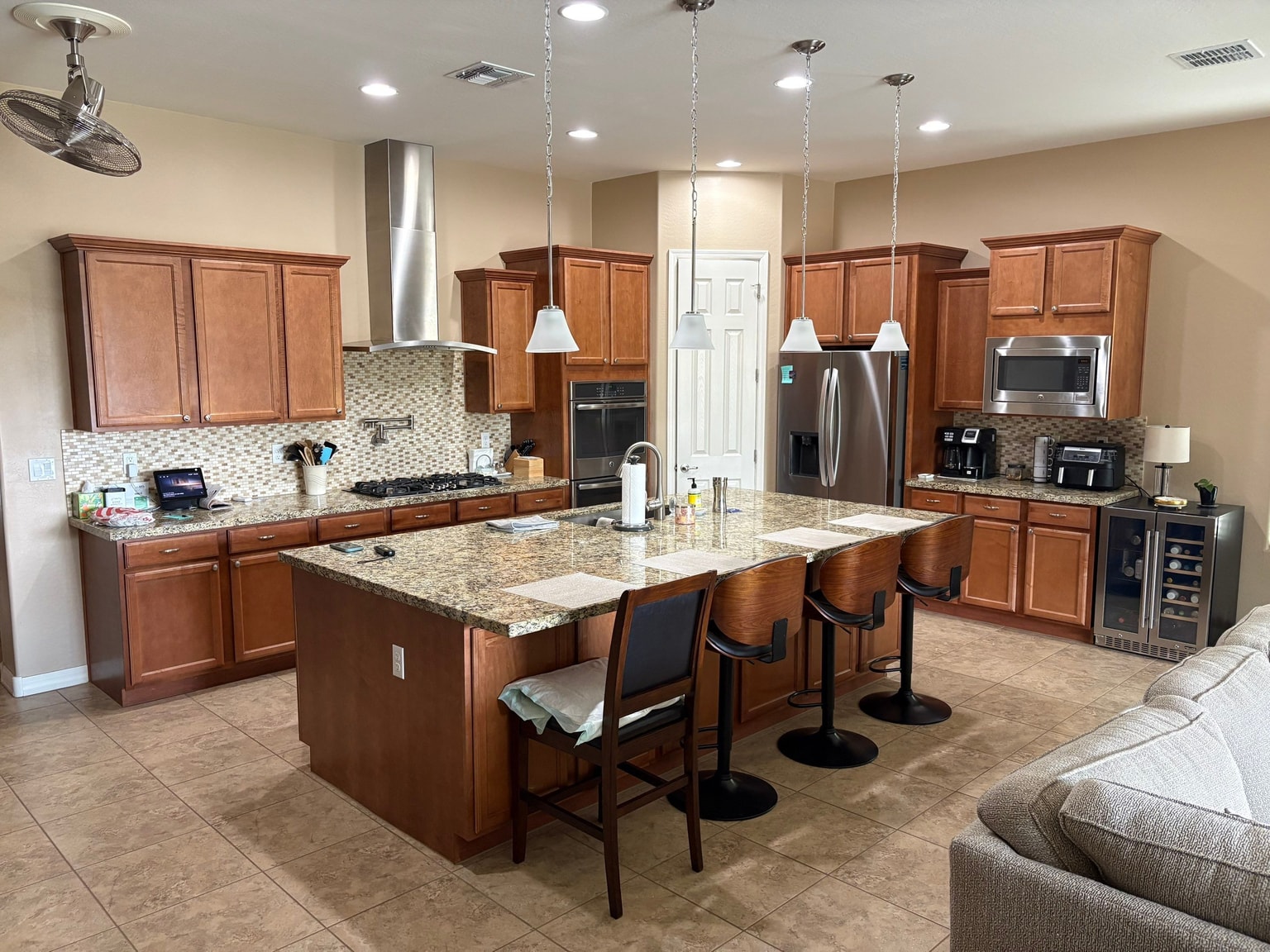
Renovating a kitchen involves far more than picking finishes and watching them get installed. For homeowners across Avondale, Glendale, Buckeye, and the broader West Valley, understanding kitchen remodels and what to expect is the difference between a stressful ordeal and a managed project. You need a clear picture of timelines, budget realities, and the daily logistics of living through construction before demolition begins. Skinner & Son serves Avondale, Goodyear, Glendale, Buckeye, Litchfield Park, and surrounding West Valley communities with licensed kitchen remodeling and restoration services, so we see firsthand how these projects actually unfold in Arizona homes.
This guide breaks down the practical realities of renovating in Maricopa County, from permitting quirks to material durability in our desert climate. We focus on the operational details that brochures often skip, because knowing the process protects your investment and your sanity.
Understanding the Kitchen Remodel Timeline in Arizona
A full kitchen renovation in the West Valley typically spans several weeks to a few months depending on scope. Cosmetic updates like painting or fixture swaps move a lot faster. Plan for this duration not as a pessimistic estimate but as a realistic baseline that accounts for local inspection schedules and trade availability. According to the manufacturers and suppliers we work with, material lead times for custom cabinetry and specialty countertops can extend project timelines by several weeks in 2026, since supply chains are still uneven. Locking in selections early keeps the job site from sitting idle.
Typical Duration for Full vs. Partial Renovations
Full gut renovations that move plumbing lines, upgrade electrical panels, and install new flooring generally take eight to twelve weeks of active work once you've secured permits. Partial remodels that keep the existing layout but replace surfaces can wrap up in four to six weeks, since they skip structural changes and the extensive rough-in inspections that come with them.
The gap between signing a contract and starting work also varies, depending on design finalization and material procurement. That adds its own pre-construction phase to your overall calendar.
Factors That Extend Project Timelines
Maricopa County permitting dictates pace as much as contractor efficiency does, especially when plans need structural engineering stamps or energy code compliance reviews. Older West Valley homes frequently reveal outdated electrical panels or slab leaks during kitchen demolition, and that requires coordinating remodelers with restoration specialists mid-project, which resets the schedule. Change orders after work begins also cause delays: revised materials have to be sourced, and trades have to be rescheduled around other committed jobs.
Key Phases of a Professional Kitchen Renovation
Construction follows a strict sequence. Each trade depends on the one before it finishing correctly and passing inspection. Skip a step or rush an inspection, and you risk a failed city approval and an expensive tear-out. Proper rough-in inspection before the walls close up prevents exactly that kind of failed inspection and tear-out, which is common in unpermitted Arizona renovations, so patience during this invisible phase pays off.
Demolition and Rough-In Work
Demolition strips the space to bare studs and exposes any hidden issues that weren't visible during initial estimates. Framing adjustments come next if the new layout moves walls or opens up sightlines. Plumbing and electrical rough-ins follow immediately, and they must pass city inspection before drywall goes up. This phase feels chaotic and loud, but it builds the functional skeleton that determines whether your new appliances, lighting, and fixtures actually work.
Installation and Finishing Stages
Once rough-ins get approved, drywall installation, taping, and texturing turn the framed cavity back into a recognizable room. Cabinet installation demands precise leveling, because even minor floor irregularities in slab foundations throw off door alignment and countertop fit. Countertop templating happens only after cabinets are set. That creates a mandatory pause while fabricators measure and cut stone or quartz to exact specifications, before final installation and plumbing hookups finish the space.
Budget Realities for West Valley Kitchen Remodels
Cabinetry, countertops, and skilled labor form the bulk of renovation expenses, whether you choose builder-grade or premium finishes. You can't budget accurately without acknowledging that these three categories consume most of your funds before decorative elements even enter the conversation. If you're exploring ways to maximize function without expanding footprint, small kitchen remodel ideas for Arizona homes can help you assess scope before committing to a full renovation.
Where Costs Typically Accumulate
Custom or semi-custom cabinetry is usually the single largest line item, because it combines material costs with specialized fabrication and installation labor. Natural stone and engineered quartz countertops carry real expense too, given the material weight, professional handling requirements, and edge profiling that demands precision equipment. Electrical upgrades add substantial cost as well when older homes need panel replacements or extra circuits to safely support modern appliance loads.
Planning for Unforeseen Expenses
Older West Valley homes frequently hide problems behind walls and under floors that only surface once demolition begins. Outdated wiring, polybutylene pipes, or moisture damage discovered mid-project demands immediate remediation that wasn't part of the original scope or budget. Recognizing signs of hidden water damage before construction starts helps you anticipate some of that. Still, keeping a reserve fund is non-negotiable for protecting project momentum when surprises turn up.
Living Through Your Kitchen Remodel
Losing your primary food preparation space disrupts household routines well beyond simple inconvenience. Families with kids, pets, or remote workers face compounded challenges when meal prep, cleanup, and normal traffic patterns disappear for weeks at a time. A renovation doesn't pause daily life, so setting up alternative systems before demolition starts preserves sanity and cuts down on friction between household members and the construction crew.
Setting Up a Temporary Kitchen Space
Designate another area of your home as a functional kitchenette with a microwave, toaster oven, coffee maker, and small refrigerator to handle basic meal needs. Stock disposable plates and utensils to skip the dishwashing dependency, and plan meals that need minimal prep or lean on outdoor grilling when weather allows. Tell everyone in the household about the temporary setup so no one's confused about where essentials live during the disruption.
Managing Dust, Noise, and Access
Professional contractors use plastic sheeting, zip walls, and negative air machines to contain dust and keep debris out of adjacent living areas. Scheduling noisy demolition and framing work during school hours or standard business days respects neighborhood peace and household sleep schedules. Clear communication about crew access points, bathroom usage, and pet safety protocols prevents accidents and keeps trust intact through the most intrusive phases of construction.
Selecting Materials Suited to Arizona Homes
Desert conditions demand materials that stand up to intense UV exposure, dramatic temperature swings, and low humidity without breaking down early. Choosing finishes on looks alone ignores the performance factors that decide whether your investment lasts five years or twenty. Heat-resistant surfaces and low-maintenance flooring outperform trendy options that fade, crack, or need constant upkeep in our specific climate.
Quartz and porcelain tile resist thermal shock better than some natural stones, which can spall or discolor under direct sunlight streaming through west-facing windows. Luxury vinyl plank and ceramic tile handle sand abrasion and dry heat more gracefully than hardwoods, which may cup or gap despite careful acclimation. Durability beats fleeting design trends here. It's what keeps your kitchen aging well and cuts the long-term maintenance burdens unique to Arizona living.
Vetting a Local Kitchen Remodel Contractor
Hiring someone qualified to work in your home means verifying credentials that go beyond marketing claims or a social media presence. You deserve confidence that the person managing your project understands Arizona building codes, carries proper insurance, and has completed similar work in your specific community. Finding a reliable kitchen remodel contractor in the West Valley means prioritizing local track records over national advertising budgets.
Licensing and Insurance Verification
Arizona Registrar of Contractors licensing is non-negotiable. It confirms legal authority to perform residential remodeling and gives you recourse through the ROC Recovery Fund if the work fails to meet standards. General liability insurance protects your property from accidental damage during construction, while workers' compensation coverage shields you from financial liability if a crew member gets injured on your property. Ask insurers directly for current certificates rather than accepting photocopies, so you know coverage hasn't lapsed or changed since the proposal was signed.
Evaluating Local References and Portfolios
Recent projects in Avondale, Goodyear, or Litchfield Park show familiarity with West Valley building departments, supplier networks, and the architectural quirks common to our housing stock. Speaking directly with past clients reveals how a contractor handles problems, communicates delays, and honors warranties when things don't go perfectly according to plan. Local experience matters, because subcontractor relationships and inspector familiarity directly affect scheduling reliability and problem-solving speed during active construction.
Post-Remodel Expectations and Warranty Coverage
Final walkthroughs should address every punch list item before final payment releases: touch-up paint, hardware adjustments, appliance operation verification. Reputable contractors give you written warranty terms covering workmanship defects for a defined period after completion, separate from manufacturer warranties on materials and appliances. Standing behind the work long after the crew leaves shows commitment to reputation over quick profit, and you should expect nothing less from anyone working in your home.
Warranty documentation should spell out response timeframes for service calls, exclusions tied to homeowner maintenance failures, and whether coverage transfers if you sell the home within the warranty period. Clarify these terms upfront, because disputes get harder to resolve once memories of verbal assurances fade and only the written agreement remains enforceable.
Ready to discuss your specific timeline, budget, and vision with a licensed team that knows West Valley homes? Request a free remodeling consultation in Goodyear to start planning with confidence.