Monsoon season in the West Valley brings a specific kind of stress to your home that differs from typical winter rain. High winds drive water horizontally into eaves and window seals. Intense microbursts dump inches of rain in minutes, overwhelming drainage systems built for arid conditions. When this happens, you need storm damage repair Goodyear AZ homeowners already trust, because waiting for a general contractor to become available after the weather clears often means accepting secondary damage that could have been prevented. Skinner & Son combines emergency restoration with licensed remodeling expertise, handling the immediate water extraction and the structural rebuild that follows under one contract. That closes the gap between stopping the leak and fixing the wall.
Why Monsoon Storm Damage Requires Immediate Local Response
Flat roofs and parapet walls are common across Goodyear, and they're particularly prone to ponding water during intense microbursts. Once scuppers get blocked, interior saturation follows fast. This roofing style is standard throughout the West Valley, but it creates failure points as debris builds up or sealants degrade under years of UV exposure. You might not notice a problem until water has already traveled through the roof deck and into the insulation. That's why knowing these specific construction vulnerabilities matters more than generic restoration advice.
Common Roof and Structural Vulnerabilities in West Valley Homes
Tile roofs can shift during high wind events, breaking the waterproof underlayment beneath and opening entry points invisible from the ground. Stucco exteriors face their own risk: wind-driven rain works through hairline cracks around windows or electrical fixtures, soaking the sheathing behind the finish coat without leaving a visible stain outside. These problems compound fast, because the building envelope was already compromised before the first drop reached your living space.
The Timeline for Mold Growth After Arizona Rain Events
Secondary mold colonization can start within 24 to 48 hours of water intrusion in Arizona's summer climate, which is why professional mitigation can't wait. Residual heat trapped in building materials, combined with a sudden humidity spike, turns a wall cavity into an incubator long after the storm passes.
Professional water mitigation differs from DIY drying for one main reason: industrial equipment pulls moisture out of structural framing, not just surface materials. Fans alone can't reach the pockets where mold actually takes hold.
Comprehensive Roof Leak and Water Damage Repair Process
Effective storm damage repair Goodyear AZ homeowners need follows a technical workflow, moving from stabilization to reconstruction without skipping the drying phases in between. Many homeowners assume sealing the visible leak finishes the job. Proper restoration means addressing the moisture that has already migrated into porous materials throughout the house.
Emergency Tarping and Water Mitigation Steps
When you discover active leaking during a monsoon, your first job is protecting contents and documenting the source, not attempting repairs yourself. Immediate water shutoff procedures can help with plumbing failures, but storm-related leaks call for temporary containment instead: tarping, or diverting water away from saturated areas, until professionals arrive. We provide direct consultation for both emergency stabilization and post-storm reconstruction throughout the West Valley, so you have a clear next step in the middle of the chaos.
Drying, Dehumidification, and Moisture Mapping
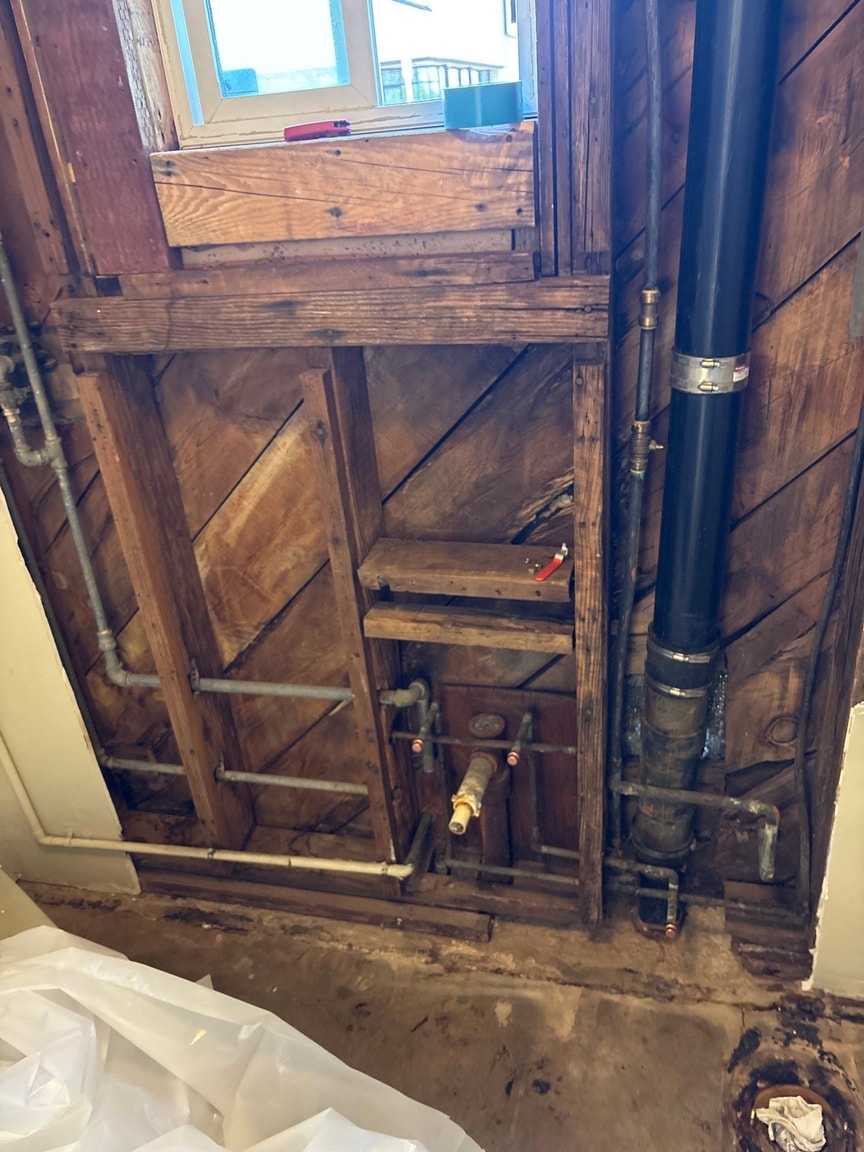
Industrial dehumidifiers and air movers need to run continuously for several days to bring wood framing and concrete subfloors down to target moisture levels. Technicians use moisture meters and thermal imaging to map saturation boundaries that extend well past the visible staining, checking daily to confirm hidden pockets of water are actually evaporating and not just feeling dry to the touch. That verification is what prevents a closed-up wall from trapping moisture inside.
Reconstruction Versus Simple Patching
Full reconstruction becomes necessary instead of simple leak repair once structural framing has absorbed enough moisture to lose load-bearing capacity or start harboring microbial growth. Replacing compromised studs, insulation and drywall costs more upfront than patching. But it removes the risk of rotting wood or mold showing up behind new paint six months later. You deserve a repair that restores your home's integrity for good, not one that just covers damage that's going to resurface.
Storm Flood Cleanup and Emergency Restoration Protocols
Storm flood cleanup West Valley properties require follows strict safety protocols, because floodwater carries contaminants that go well beyond ordinary water damage. Ground-level flooding brings in soil bacteria, chemicals and sometimes sewage, and that demands different handling than clean water from a broken supply line.
Safety Hazards in Flooded Goodyear Properties
Electrical systems submerged in floodwater stay dangerous even after you cut power at the breaker panel. Contaminated water also creates slip hazards and exposes skin to pathogens, so the job calls for personal protective equipment and cleaning agents that household products can't match. Never enter standing water without confirming electrical safety first and wearing protection against biological contaminants.
Salvaging Personal Property During Extraction
Restoration teams categorize water damage by level to decide what can be safely restored and what has to be replaced, based on contamination type and how porous the material is. Non-porous items like metal or glass can often be sanitized after contact with gray water. Porous materials like carpet padding or particleboard typically get thrown out regardless of sentimental value. This triage keeps you from spending money restoring something that's still biologically unsafe.
Navigating Insurance Claims for Monsoon Damage
Documenting damage thoroughly before cleanup begins gives your adjuster what they need to approve the full scope, not just a partial payment. Take timestamped photos of water lines, damaged contents and structural impacts from multiple angles. Keep notes on when the damage occurred and what mitigation steps you took right away. That visual record, plus receipts for emergency services and professional assessments, is what supports an insurance claim for storm-related water damage.
Working with a licensed contractor who understands insurance scope helps move approval along, without acting as a public adjuster or making promises about coverage they can't keep. We provide detailed line-item estimates that match industry pricing standards, giving your carrier the clarity to process the claim while you focus on recovery decisions.
Signs of Hidden Damage After Severe Weather Passes
Lingering moisture often shows up weeks after a monsoon storm, through signs an untrained eye tends to miss. Baseboard separation, peeling paint or a persistent musty odor all suggest water is still trapped in a wall assembly even though the surface looks dry. Catching these early keeps minor residual moisture from turning into a major structural repair down the road.
Detecting Moisture Behind Stucco and Drywall
Professional inspection tools pick up saturation levels invisible to the eye, tracing moisture migration paths that explain why certain spots keep showing symptoms. Identifying concealed moisture issues helps you spot the early warnings, but a definitive diagnosis needs equipment that measures moisture content inside the material, not just how the surface feels. That precision avoids unnecessary demolition while making sure no wet area gets skipped.
Foundation Shifts and Grading Issues
Saturated soil around a foundation can cause differential settlement, which shows up as door binding or drywall cracks far from where the original leak was. Poor grading that directs runoff toward your home makes it worse, keeping soil moisture high long after the rain stops and building hydrostatic pressure against foundation walls. Fixing drainage alongside interior repairs is what breaks the cycle of repeated water intrusion.
Choosing a Licensed Goodyear Contractor for Storm Recovery
Hiring a locally licensed contractor matters for meeting Arizona building codes during restoration, because unpermitted work creates liability when you sell the home or file a future claim. Check that ROC licensing covers both remodeling and restoration classifications. Some contractors hold only one credential and can't legally perform complete recovery work. Licensed local contracting standards keep you code-compliant and protect your investment through proper permitting and inspections.
Local presence matters more than national certifications, because West Valley construction practices differ from what other regions use. A contractor embedded in the Goodyear community knows which suppliers carry matching materials for older homes, which inspectors cover which neighborhoods, and how local building departments read code requirements for storm repairs. That knowledge speeds up the project and cuts down on the change orders that come from not knowing the local conditions.
Preparing Your Home for Future Arizona Monsoon Seasons
Proactive maintenance pays off better than repeated emergency repairs, because it deals with vulnerabilities before a storm finds them. Clear scuppers and gutters every year. Inspect roof sealants around penetrations, and regrade soil to slope away from the foundation at a minimum two percent grade over ten feet. These jobs cost a fraction of an emergency service call, and they cut down significantly on your exposure to the storm damage Arizona's monsoon pattern delivers every summer.
Checking window caulking and stucco control joints catches small failures before they turn into major water intrusion during a wind-driven rain event. Scheduling preventive inspections in spring leaves time for repairs before monsoon season arrives, so you avoid the backlog that hits contractors once storms start causing widespread damage.
If your home shows signs of storm impact, or you want a professional evaluation before next season, schedule a post-storm assessment to understand your options.